
How to Secure Your Home During an Absence: A Practical Guide
If you have ever wondered how to secure your home during an absence, the best answer is usually not one single device or habit. It is a layered approach: lock entry points, watch for motion, detect leaks, automate a few lights, and keep an eye on the home from your phone. Standard advice still starts with the basics, such as locking doors and windows and using timers or lighting schedules while you are away.
That matters whether you are leaving for a two-week holiday, a long weekend, or just a regular work trip. A smart-home setup does not replace a professional alarm system, but it can add an extra layer of awareness and automation that helps you notice problems early and respond faster.
What can go wrong when the house is empty?
When a home stands empty, the main risks are not limited to break-ins. An open window, a forgotten side door, or a package left at the entrance can make the house look unattended. Security guidance often recommends making a home appear occupied while nobody is there, because that alone can reduce obvious signs of absence.
There are also non-security problems that can become expensive very quickly. A water leak under the sink, in the basement, or near a washing machine can cause serious damage before anyone notices it. Home safety checklists also remind us to think beyond theft: appliances, detectors, and other hazards deserve attention before you leave.
That is why a good absence plan should cover five things: entry points, motion, leaks, lighting, and remote visibility.
Secure doors and windows first
The first line of defense is still the simplest one: make sure every door and window is locked before you leave. That basic habit is recommended in mainstream home-security guidance, along with using timers or lighting schedules to make the home less obviously empty.
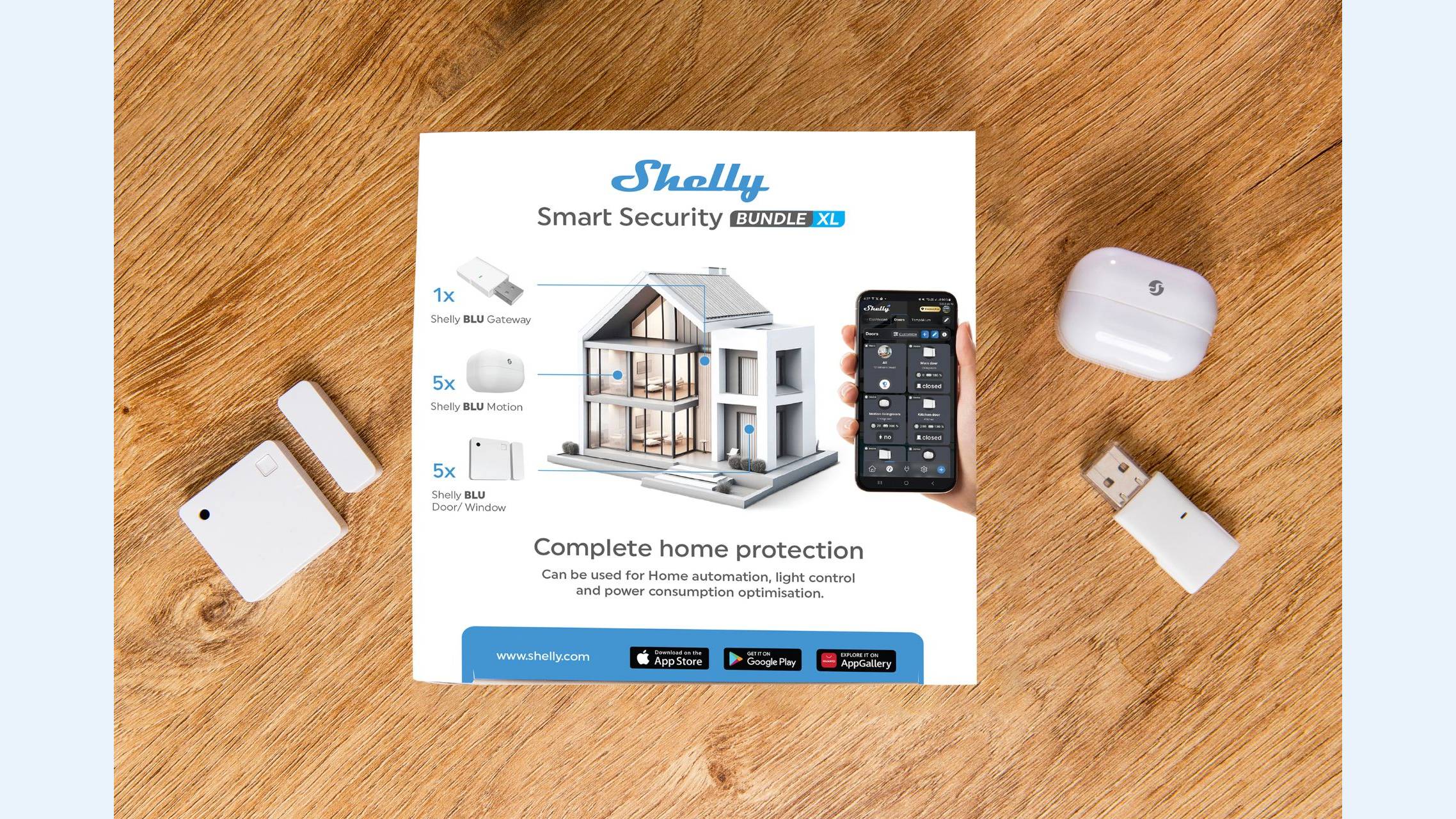
For more awareness, add a door and window sensor. A sensor like Shelly BLU Door/Window is designed for open/close detection on entry points, so if a door or window opens unexpectedly, you can receive an alert and trigger an action. That could mean a notification on your phone, a light turning on, or another scene that makes it clear something changed.
Detect motion and react automatically
Motion detection adds another useful layer. A motion sensor such as Shelly BLU Motion can detect movement and be used as part of automations and notifications. In practice, that means you can be alerted if someone walks through a hallway, enters a garage, or approaches the front of the house while you are away.
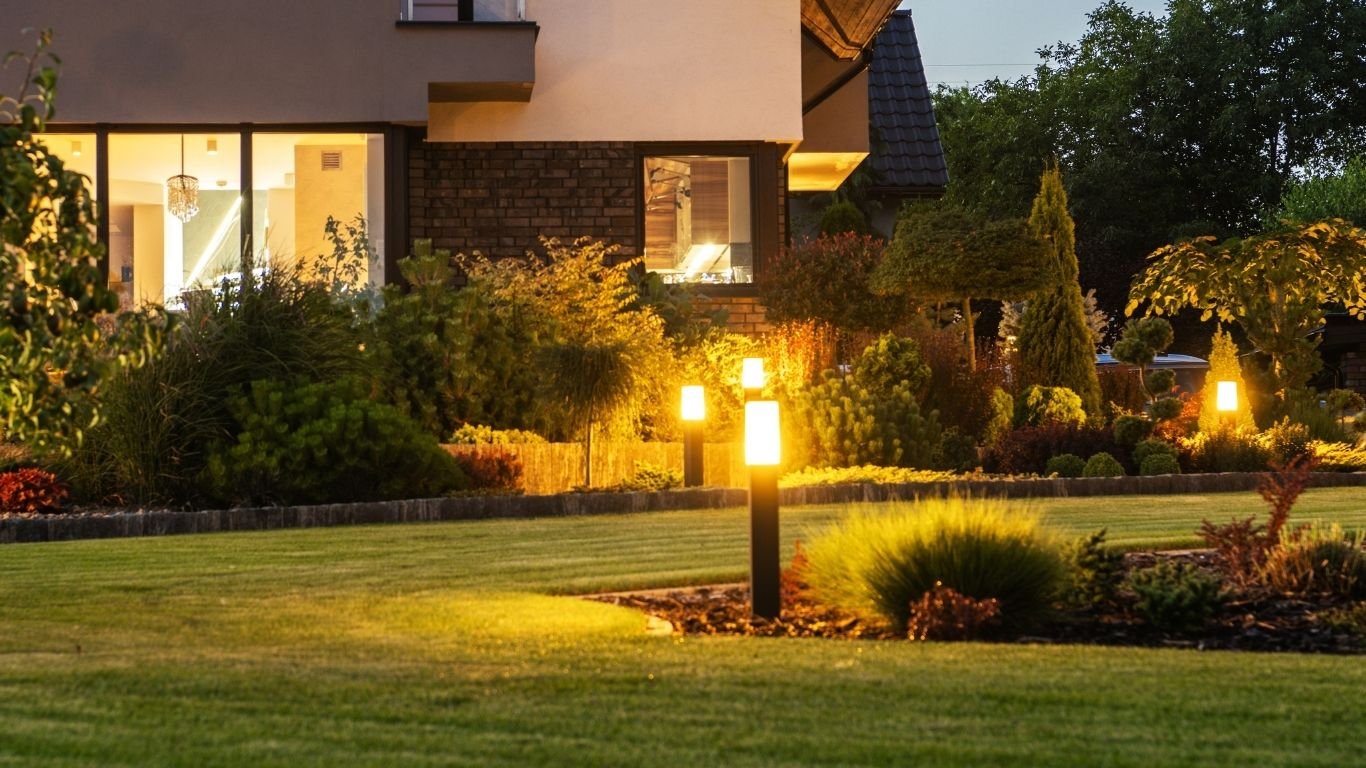
Motion sensors are especially helpful when paired with exterior lighting. A layered home-security approach commonly combines entry-point monitoring, motion-based lighting, and remote alerts. For example, if motion is detected near the driveway after dark, a porch light can switch on automatically. That improves visibility and can make the area feel less inviting without requiring you to stay glued to a camera feed.
These automations are not a guarantee against trespassing, and they should not be treated as a full security system. But they do help you notice unusual activity faster and create a more responsive setup than simple manual habits alone.
Do not ignore water leaks
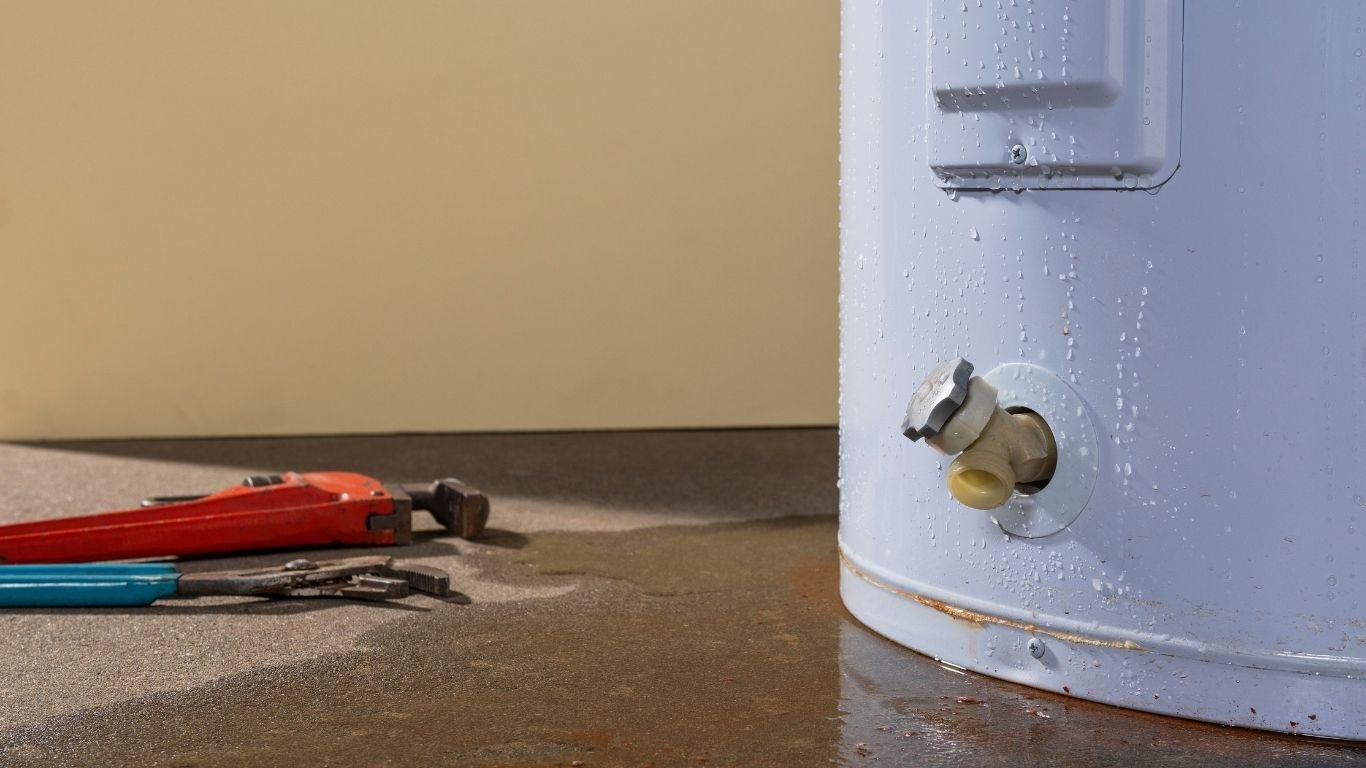
When people think about securing a house, they usually focus on burglary. But a leak can cause just as much stress, and often much more damage over time. Water can spread quietly under cabinets, around appliances, or into a basement before anyone notices. That is why leak detection belongs in any serious absence plan.
A leak sensor such as Shelly Flood is designed to detect water leaks and support alerting or automation workflows. Put sensors in places where leaks are most likely: under sinks, near dishwashers, behind washing machines, beside water heaters, and in basements. If water is detected, you can receive a notification immediately instead of discovering the problem days later.
Water damage often becomes expensive because it is discovered late, not because it started big.
Use lighting to simulate presence
One of the oldest and still most practical absence tricks is to make the home look occupied. Security advice commonly recommends this, and lighting schedules or timers are a simple way to do it (Consumer Reports CIS). In smart homes, that can become much more flexible than just turning one lamp on at sunset.
With a smart relay such as Shelly 1 Gen4 or Shelly 1PM Gen4, lighting can be automated to follow schedules, motion events, or manual scenes. Used carefully, this helps create a believable pattern: a hallway light comes on in the evening, the living room lamp switches later, and everything turns off at a realistic time. The goal is not to create a perfect illusion, but to avoid a house that looks obviously vacant.
Manage everything from anywhere
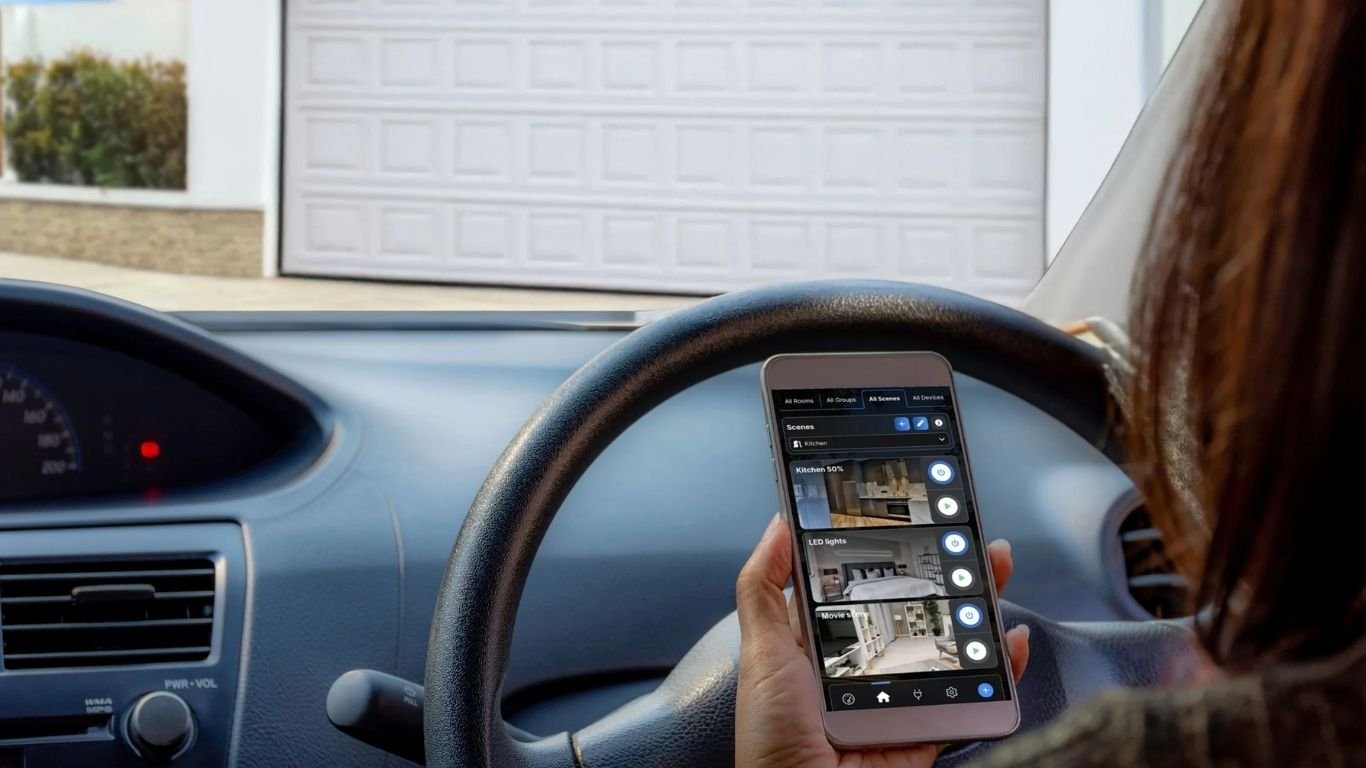
When you are traveling, remote access is what turns separate devices into a usable system. A platform like Shelly Smart Control supports remote control, device status checks, scenes, and notifications. That means you can check whether a door is closed, see whether a light scene is active, or confirm that a sensor has not reported trouble.
This is especially useful for everyday absences, not just holidays. Maybe you are at work and want to confirm the garage side door was closed, or maybe you are on a weekend trip and want to know if there has been unexpected motion near the back entrance. Remote monitoring does not need to be complicated to be useful.
The best strategy: combine several layers
If you want a practical answer to jak zabezpieczyć dom podczas nieobecności, the most effective method is to combine several layers instead of depending on a single device. Keep the entry points secured, add open/close sensors, place motion sensors where activity matters, monitor for leaks, automate a few lights, and make sure you can check everything remotely.
That layered approach is consistent with broader home-security advice: make the home look occupied, secure entry points, and use alerts to stay aware of what is happening (This Old House Security.org). It also makes the system more resilient. If one part misses something, another layer may still catch it.
A practical setup for a small apartment might include a door sensor on the main entrance, one motion sensor in the living area, a leak sensor under the kitchen sink, and a light schedule for the evening. A larger home might add basement sensors, garage monitoring, and more than one lighting scene. You do not need everything at once. Start with the highest-risk spots and build gradually.
A simple pre-departure checklist
- Lock all doors and windows and double-check less-used entry points.
- Test door/window sensors and confirm notifications are working.
- Place motion sensors where unexpected movement would matter most.
- Install leak sensors near appliances, sinks, and other risk areas.
- Set lighting schedules or scenes that make the home look naturally occupied.
- Review device status in your app before leaving and again after you arrive.
- Keep your professional alarm system active if you have one; smart devices should complement it, not replace it.
FAQ: Home security during an absence
How do I secure my home before going on vacation?
Start with the basics: lock every door and window, test your alarms and detectors, and set lighting timers or smart scenes so the house does not look empty. Then add alerts for doors, motion, and leaks so you can react if something changes while you are gone.
Do door and window sensors really improve security?
Yes, because they tell you when an entry point opens unexpectedly. A sensor such as Shelly BLU Door/Window can help you notice a problem sooner, especially if a notification reaches your phone right away.
How does presence simulation work in a smart home?
It uses lighting schedules or event-based automations to make the home look occupied. For example, a light may turn on in the evening and off later, or different rooms may activate at different times. That can make it less obvious that nobody is home.
Why should I monitor water leaks if my main concern is burglary?
Because leaks can cause costly damage just as quickly as other home problems, and often without any visible sign at first. A leak sensor such as Shelly Flood can alert you early, which is especially valuable when you are far away.
Can I monitor my home remotely while traveling?
Yes. With a platform such as Shelly Smart Control, you can check device status, receive notifications, and control scenes from your phone. That makes it easier to confirm that everything is as expected even when you are not on-site.
Do smart-home devices replace a professional alarm system?
No. Smart-home tools are best treated as an added layer of awareness and automation. They can help you detect events sooner and respond faster, but they should not be described as a full substitute for a dedicated alarm system.
Final thoughts on how to secure your home during an absence
The most reliable answer to jak zabezpieczyć dom podczas nieobecności is to think in layers: secure doors and windows, detect motion, watch for leaks, automate lighting, and keep remote control in your pocket. That approach helps you stay informed, respond quickly, and make the home look lived-in while you are away.
Smart-home security is useful because it improves awareness and creates automatic responses, not because it magically prevents every problem. If you already have a professional alarm system, keep using it. Then add beginner-friendly smart devices where they bring the most value: entry-point monitoring, motion alerts, leak detection, and lighting automations that support a safer, calmer absence plan.
Komentarze 0