
Jak zabezpieczyć dom podczas nieobecności?
When you leave for a holiday, a work trip, or a longer stay away from home, the real challenge is often not just burglary risk. It is also the uncertainty: Did you close the window? Is there water leaking under the sink? Did a light stay on all night? A smart home setup can help with exactly that kind of visibility. It does not replace a certified alarm system, but it can add a useful layer of awareness and help you react faster if something changes.
That layered approach is the safest mindset. Public safety guidance consistently emphasizes prevention and preparedness, whether the risk is theft, fire, or another home hazard, In practice, that means combining simple devices instead of relying on one perfect solution.
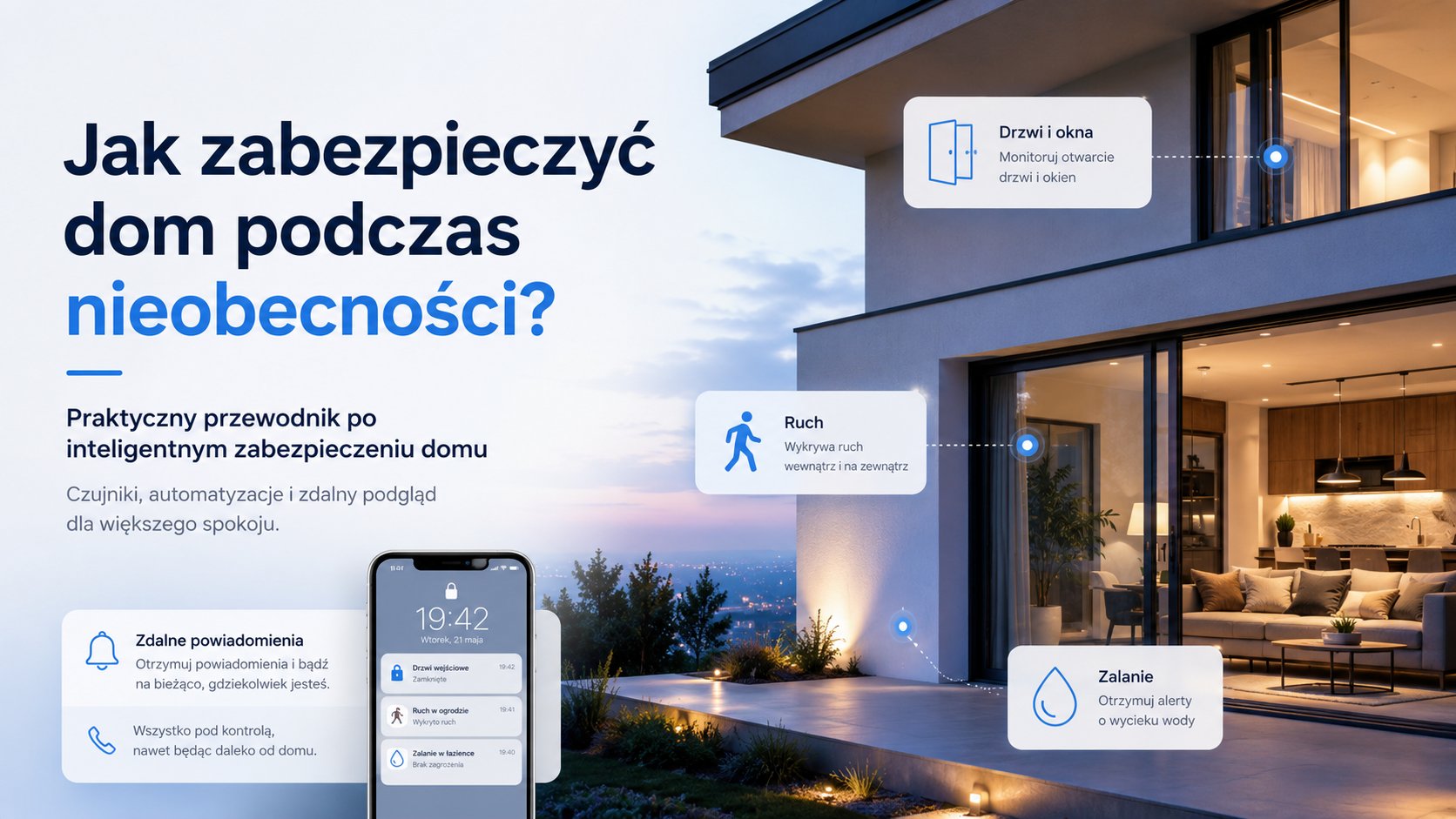
Why it is worth preparing before you leave
Before any trip, it helps to think beyond the front door. A house or apartment left unattended can face several everyday risks: an open window, a forgotten light, a hidden leak, or suspicious movement near an entrance. Even if nothing serious happens, not knowing what is going on at home can be stressful. That stress is one reason many homeowners and renters look for intelligent home security tools that improve awareness without making the setup complicated.
For example, a family leaving for vacation may want a way to check whether doors stayed closed. Someone traveling for work may prefer quick alerts if motion is detected near a hallway or patio. Owners of a second home may need a simple way to keep an eye on the property between visits. In each case, the goal is the same: reduce surprises.
Secure doors and windows first
One of the simplest ways to improve zabezpieczenie domu is to monitor openings. A door and window sensor can send an alert when an opening event is detected, which gives you faster awareness if something changes while you are away. That can be especially useful for balcony doors, basement windows, patio access, or any entry point that is easy to overlook during a rushed departure.
This does not stop an intrusion by itself, but it does create a clear signal. If you receive a notification and know no one should be entering, you can decide whether to call a neighbor, ask someone to check the property, or review other connected devices. For many people, that extra visibility is the difference between finding out later and responding in time.
- Use sensors on the most important entry points first, not every single opening at once.
- Check that notifications are enabled before you leave.
- Give priority to doors and windows that are hidden from the street or harder to inspect.
Use motion detection to add another layer of awareness
A motion sensor is useful because it reacts to movement in a monitored area and can trigger alerts or automations. In plain terms, it helps you know that something has happened where it should not have happened. That might be an entryway, a hallway, a garage, a driveway-facing zone, or an outdoor area near the house.
Motion sensing also pairs well with lighting. For example, if movement is detected near a front path or entryway, a light can turn on automatically. This does not guarantee safety, but it can improve visibility, make the space look active, and help you review what is happening through an app if you are away from home.
Motion sensors detect movement in a monitored area and can be used to trigger alarms or automation.— HowStuffWorks
Do not forget water leaks
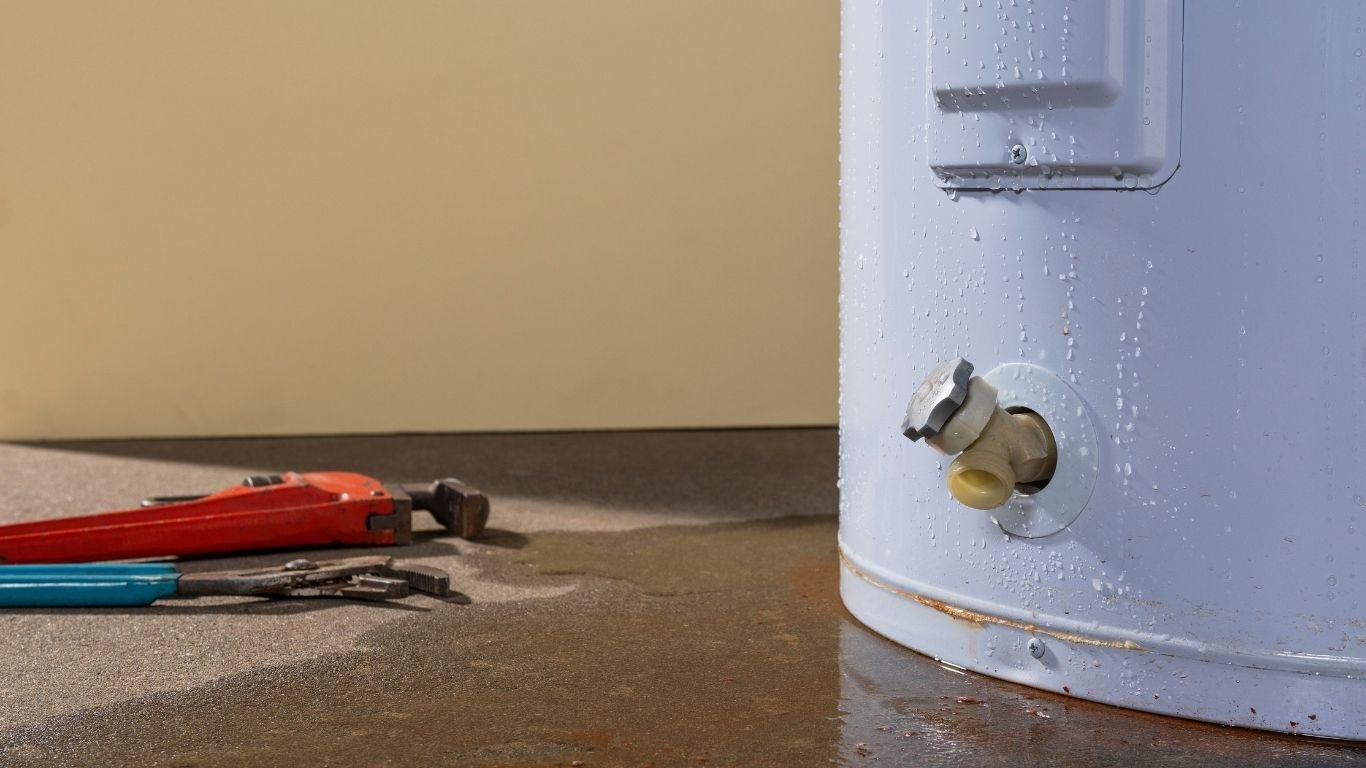
When people think about home security, they often focus on doors and windows first. But water damage can become expensive very quickly, especially if a leak starts while no one is there to notice it. That is why a leak sensor belongs in a practical home-protection setup. It is especially useful in kitchens, bathrooms, basements, utility rooms, and near appliances or pipes where water may collect unnoticed.
This is a good example of why smart home security is really about awareness. A leak sensor will not prevent every problem, but early alerts can help you ask someone to inspect the property, shut off water if needed, or limit damage before it spreads. For a holiday home or second apartment, that early warning can matter just as much as a security alert.
Simulate presence with lighting automation
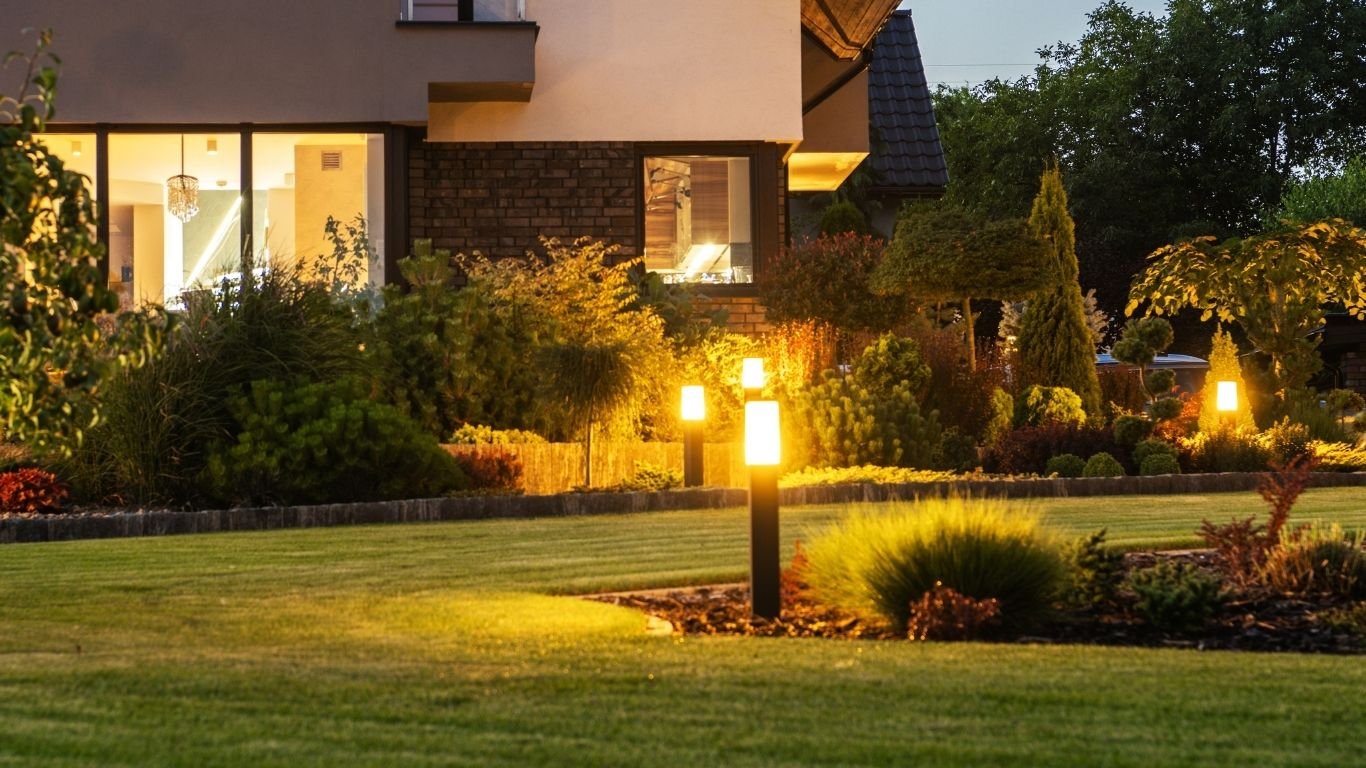
One of the most practical vacation habits is making the home look lived in. Consumer safety guidance notes that timers and automated lighting can help create that effect when you are away. In a smart home, that idea becomes easier to manage because lights can follow schedules, scenes, or simple occupancy-style routines.
For example, a smart relay such as a smart relay for lighting automation can support time-based schedules, while a relay with power monitoring can help you control and observe connected circuits remotely. Used carefully, these tools can turn on a lamp in the evening, switch off later, or vary the pattern so the home does not look too predictable.
- Use lighting in a few visible rooms rather than every light in the house.
- Mix schedules with occasional variation so the routine feels natural.
- Combine lights with sensor triggers for a more believable effect.
Control the home from anywhere
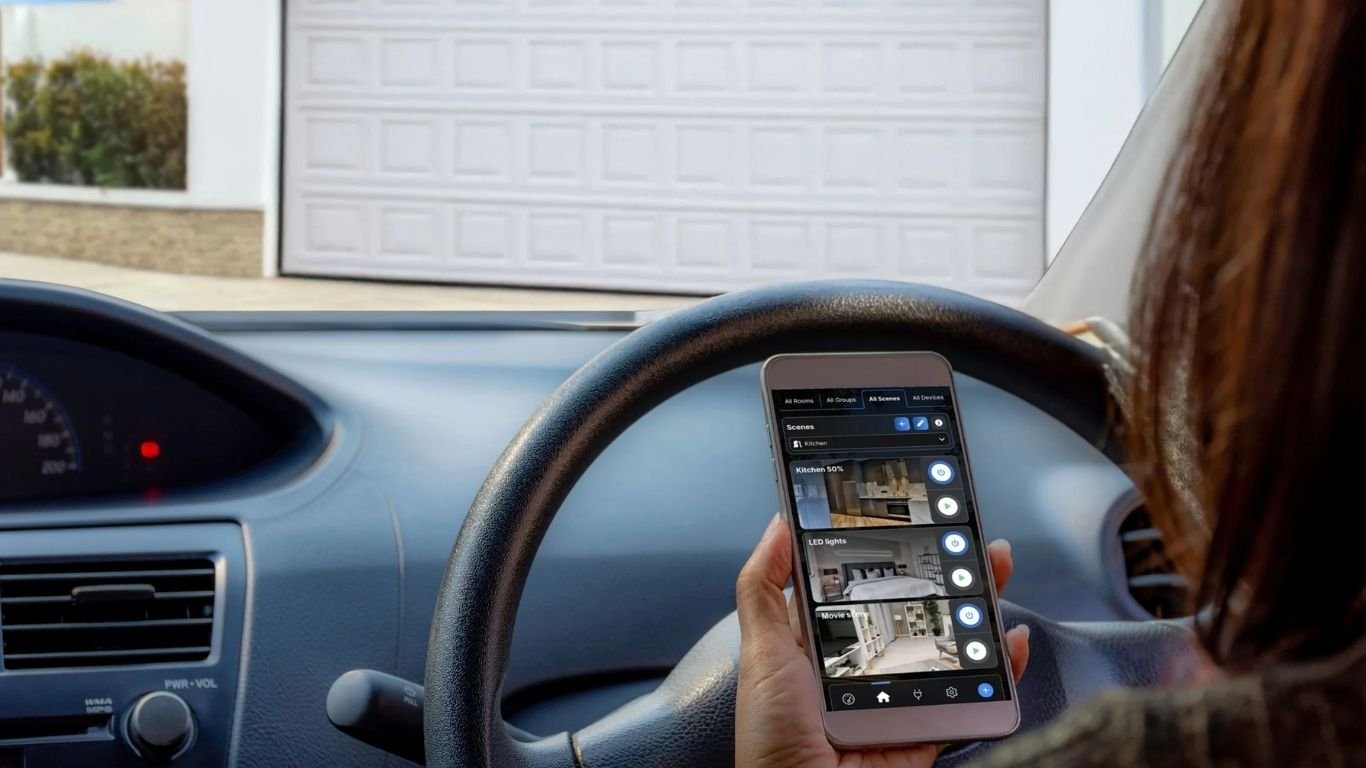
Remote access is one of the biggest reasons people choose inteligentne zabezpieczenie domu. With app-based control, you can check device status, receive push notifications, and run scenes while you are away (Shelly Smart Control). That means you do not have to wonder whether a door sensor was triggered, whether a light turned on, or whether a device is still responding.
Imagine you are at the airport, in a hotel, or simply at work across town. A notification tells you a window opened unexpectedly, or a motion event occurred near the entryway. Instead of waiting until you return, you can review the situation immediately and decide on the next step. That quicker feedback loop is what gives many homeowners peace of mind.
Build a layered setup that fits your home
The strongest approach is not one device, but several small ones working together. That layered model is widely recommended in home security discussions because different tools cover different risks (HomeAdvisor). In a smart home, the combination might look like this: door and window sensors for openings, motion sensors for movement, leak sensors for hidden water, and lighting automation to simulate presence.
For a small apartment, the setup may be as simple as a few entry sensors and one lamp schedule. For a house with a yard, you might add motion detection near the front entrance and remote monitoring of outdoor lights. For a second home, leak sensors and app alerts can be especially valuable because nobody is there every day to notice a problem early.
Practical examples for holidays, work trips, and second homes
Before a holiday: check the most important doors and windows, confirm notification settings, set a few lighting schedules, and place a leak sensor in the kitchen or utility room. If possible, make sure a neighbor or family member can check the property if you receive an alert.
During a work trip: keep the setup simple and reliable. A door sensor on the main entrance, a motion sensor near the hallway, and app notifications may be enough to reassure you that nothing unusual is happening.
For a second home: focus on risks that can stay hidden for days, especially leaks and unexpected access. Remote monitoring, status checks, and a few automated lights can make the property feel less isolated between visits.
FAQ: najczęstsze pytania o zabezpieczenie domu
How do I secure my home before leaving for a vacation?
Start with the basics: lock doors and windows, stop obvious signs that nobody is home, and enable alerts on your smart devices. Timed lights and remote notifications can help create visibility and reduce uncertainty while you are away.
Which smart home devices help most with home protection during absence?
For beginners, the most useful devices are door/window sensors, motion sensors, leak sensors, and lighting automations. Together they cover openings, movement, hidden water damage, and occupancy-style routines.
Can a door and window sensor improve home safety?
Yes. A sensor can notify you when an opening event is detected, which is useful if a door or window is left open or accessed unexpectedly. It improves awareness, especially when nobody is on site.
How does presence simulation work, and when does it make sense?
Presence simulation uses lights or other automations to make the home appear active. It is most useful during holidays, business travel, or longer absences. It works best when it looks natural rather than overly predictable.
Why is a leak sensor important if burglary is my main concern?
Because water damage can start quietly and become expensive before you notice it. Leak sensors are especially useful in kitchens, bathrooms, basements, and utility rooms where problems may stay hidden for a while.
How can I monitor my home from my phone while traveling?
Use a mobile app that shows device status, sends push notifications, and lets you run scenes remotely. That way you can check alerts, confirm whether lights are on, and review what happened from anywhere.
Does smart home security replace an alarm system?
No. Smart home devices are best seen as an additional layer of monitoring and convenience. A certified alarm system still serves a different role, especially when professional-grade protection is required.
What is the best way to combine several devices?
A practical setup often starts with door/window sensors at main entry points, a motion sensor in a key area, a leak sensor near water sources, and a few lighting automations. Add remote app alerts so you can respond quickly if anything changes.
Jak zabezpieczyć dom podczas nieobecności: a calm, layered approach
If you are wondering jak zabezpieczyć dom podczas nieobecności, the most useful answer is usually the simplest one: combine a few tools that give you visibility. Door and window sensors tell you when an opening event happens. Motion sensors help you notice movement where it should not be. Leak sensors catch hidden water problems early. Lighting automation can make the home look active. And remote app control lets you check in from anywhere.
That combination does not promise complete protection, and it should not be treated as a replacement for a certified alarm system. But it can reduce uncertainty, help you react faster, and make vacations, work trips, and second-home visits feel less stressful. In the end, smart home security is about peace of mind through visibility: knowing more, sooner, so small issues do not become expensive problems.
Komentarze 0